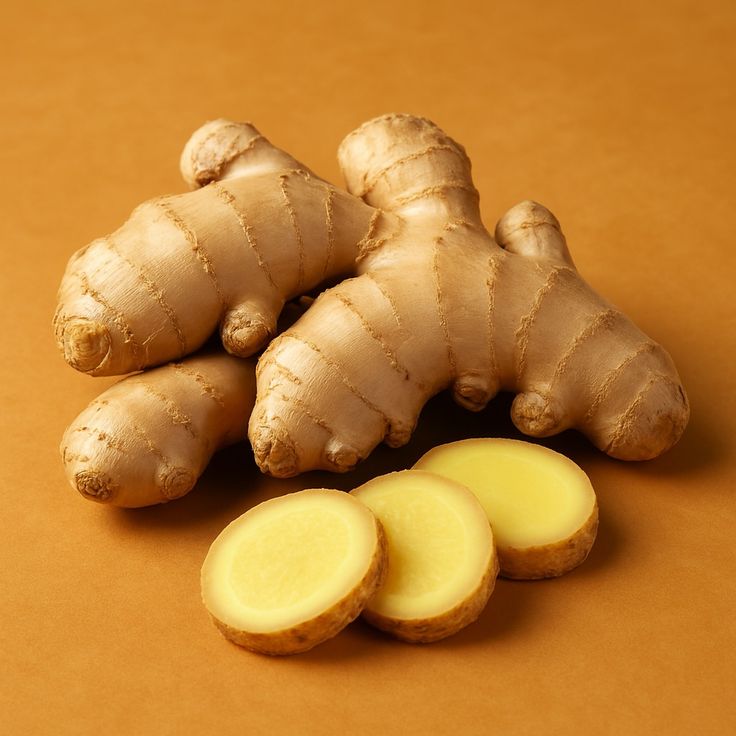
Why Indonesia Is the Right Origin for Ginger Powder
Indonesia’s ginger-growing heritage spans centuries. The volcanic soil across Java, Sumatra, and Sulawesi creates ideal mineral conditions for cultivating Zingiber officinale with high active-compound density. For food-grade buyers, this matters directly: Indonesian ginger powder regularly tests at 1.5–2.5% gingerol content by dry weight, which is at the upper range of global commercial supply.
West Java, in particular, has emerged as the leading hub for processed ginger products. Proximity to processing facilities in the Bandung and Garut regencies means shorter post-harvest-to-processing windows, preserving volatile oils that degrade quickly after harvest. This is a key advantage over origins where green ginger travels long distances before drying.
Key reasons buyers choose Indonesian ginger powder for bulk sourcing:
| Factor | Indonesia Advantage |
|---|---|
| Gingerol content | 1.5–2.5% (dry weight, food grade) |
| Annual production capacity | ~340,000 MT fresh ginger (2024 est.) |
| Processing infrastructure | Modern spray-dry and drum-dry facilities in West Java |
| Competitive FOB pricing | USD 3.80–6.50/kg depending on grade and spec |
| Certification readiness | HACCP, Halal, ISO 22000, organic options available |
For any buyer sourcing bulk ginger powder wholesale, Indonesia offers a compelling combination of volume, consistency, and certification infrastructure that few origins can match.
Step 1 — Define Your Technical Specifications Before You Contact Suppliers
The most common mistake B2B buyers make is reaching out to Indonesian ginger powder wholesale suppliers before locking down their own specs. A supplier can only match what you define. Before requesting quotes or samples, prepare a specification sheet covering the following parameters:
Particle size (mesh): Most food-grade applications use 60–80 mesh. Beverage premix and instant drink applications often require finer grinds at 100 mesh or above. Baking applications may accept 40–60 mesh.
Moisture content: Food-grade ginger powder moisture should not exceed 10–12% for general use. Shelf-stable formulations and hot-climate markets (Middle East, North Africa) often require ≤8% moisture. Always request a Certificate of Analysis (COA) showing moisture data from the most recent production batch.
Gingerol percentage: For functional food, nutraceutical, or premium HORECA ingredient applications, specify minimum gingerol content (typically ≥1.5% on dry basis). Commodity ginger powder destined for flavor blending may not require gingerol specification, but you should still ask for test data.
Color and aroma profile: Off-white to light beige is standard. Strong, pungent aroma indicates freshness and high volatile oil retention — this is desirable in food-grade spice powder.
Packaging requirement: Common formats include 25 kg kraft paper bags with inner polyethylene liner, 10 kg retail-ready bags, or 20 kg aluminum foil bags for moisture-sensitive markets. Specify your preferred format early.
Certifications required: At minimum, request Halal certification, Phytosanitary Certificate, and COA per lot. Buyers exporting to the EU should also confirm compliance with EU maximum residue limits (MRLs) under Regulation (EC) No. 396/2005. Organic certification (USDA NOP or EU Organic) is available from select West Java exporters for a premium.
Step 2 — Evaluate Supplier Credibility and Certification Stack
Not every Indonesian exporter offering ginger powder food grade meets the quality baseline international buyers expect. Here’s a practical evaluation checklist for vetting potential suppliers:
Documentation to request upfront:
- Certificate of Analysis (COA) — should cover moisture, ash content, gingerol %, heavy metals (Pb, Cd, As, Hg), microbial counts (TPC, E. coli, Salmonella, mold/yeast)
- Halal certification from a recognized Indonesian body (MUI or equivalent)
- HACCP compliance certificate or ISO 22000 food safety management certification
- Phytosanitary Certificate (issued by Indonesian Ministry of Agriculture per shipment)
- Business license and export registration from the Indonesian Trade Ministry
Red flags to watch for:
- Supplier cannot provide lab results from an accredited third-party testing facility
- Certificates are expired or older than 12 months
- No physical processing facility address (broker-only setups with no factory)
- Unusually low pricing with vague quality claims (often signals blended or adulterated product)
Green flags for serious buyers:
- Supplier offers clean label ingredient documentation and full traceability to farm origin
- HACCP compliant ingredient production with documented SOP records
- References from existing buyers in your target market (EU, US, GCC)
- Willingness to facilitate third-party pre-shipment inspection (SGS, Bureau Veritas, Intertek)
For buyers sourcing Indonesian agro export products for the first time, asking for a factory visit or video audit is increasingly common — and any credible exporter will accommodate this request.
Step 3 — Request and Evaluate Samples Correctly
A sample evaluation is not a formality — it’s the most important decision gate before placing your first purchase order. Here’s how to approach it systematically:
Request two sample types: a standard commercial sample (~200–500g) for sensory and visual evaluation, and a pre-production sample matched to your exact spec sheet for lab verification.
Run these tests on arrival:
- Moisture content (Karl Fischer titration or oven dry method)
- Particle size distribution (standard sieve analysis)
- Gingerol content by HPLC
- Microbial panel (TPC, Salmonella, E. coli, mold/yeast)
- Heavy metals panel (especially important for ginger powder destined for EU or US markets)
- Aflatoxin screening (B1, B2, G1, G2) — required for most regulated markets
Compare your lab results against the supplier’s COA. Discrepancies larger than ±10% on any parameter warrant direct discussion before proceeding. A reliable bulk spice powder wholesale supplier will stand behind their COA data.
Sensory check: Fresh, high-quality Indonesian ginger powder should have a sharp, warm, peppery-citrus aroma with no musty or rancid notes. Color should be uniform — streaking or dark spots indicate poor drying or moisture ingress during storage.
Step 4 — Understand the Import Logistics and Documentation Flow
Once you’ve selected your supplier and confirmed specs, the logistics phase begins. Here’s what to expect when importing ginger powder from Indonesia:
Incoterms: Most Indonesian exporters offer FOB Indonesia (typically Tanjung Priok Port, Jakarta or Tanjung Perak, Surabaya). CIF and CFR terms are available from larger exporters. For first-time importers learning how to import spices from Indonesia, FOB is recommended — it gives you control over freight and insurance while leveraging your own freight forwarder.
Lead times: Standard production-to-shipment lead time is 14–21 days after order confirmation and deposit. Allow an additional 15–30 days for ocean freight to Europe, 20–35 days for the US East Coast, and 7–12 days for Gulf markets (UAE, Saudi Arabia).
Typical documentation set for a shipment:
- Commercial Invoice
- Packing List
- Bill of Lading
- Certificate of Origin (Form D for ASEAN buyers, Form AI or general CoO for others)
- Phytosanitary Certificate
- Halal Certificate (buyer-requested)
- COA per lot (attached to shipment documentation)
- Health Certificate (required for some markets including the EU and Gulf states)
Customs and MRL compliance: EU importers should verify that each shipment is tested against EU MRL thresholds for pesticide residues in ginger powder. USDA FSIS and FDA have separate requirements for US-bound shipments. Spice powder COA documentation should always include pesticide residue testing results from an accredited lab.
Step 5 — Build a Long-Term Supplier Relationship
Sourcing Indonesian ginger powder wholesale is not a one-transaction exercise for serious buyers. The highest value comes from building a supply partnership that delivers consistent quality, advance production scheduling, and pricing visibility over multiple seasons.
Best practices for sustaining a productive relationship with your Indonesian supplier:
- Place annual volume commitments — even indicative ones — to secure production slots and stabilize pricing against harvest fluctuations
- Request quarterly COA updates, not just per-shipment documentation
- Schedule an annual production audit or third-party inspection to validate HACCP compliant ingredient production standards
- Negotiate pricing transparency including raw material (green ginger) price indexing, so you understand how farm-gate pricing affects your FOB cost
- Establish a sample protocol for every new production batch before shipment approval
Buyers who treat their Indonesian supplier as a long-term partner — rather than a commodity vendor — consistently report better batch-to-batch consistency, priority access during supply crunches, and improved cost management over time.
About Pasundan Essence
Pasundan Essence is a West Java-based exporter specializing in premium Indonesian agricultural products — including palm sugar powder, clove powder, ginger powder, cinnamon powder, and cardamom powder. All products are available in powder form and come with full documentation including Certificate of Analysis, Halal Certification, and Phytosanitary Certificate. We supply B2B buyers worldwide with MOQ from 1 MT. Contact us at mukhlis.hakim@pasundanessence.com or visit www.pasundanessence.com.